

Jo M Pasqualucci
The Practice and Procedure of the Inter-American Court of Human Rights
Rs. 18,750

Michael Ignatieff
Princeton University Press
Michael Ignatieff draws on his extensive experience as a writer and commentator on world affairs to present a penetrating account of the successes, failures, and prospects of the human rights revolution. Since the United Nations adopted the Universal Declaration of Human Rights in 1948, this revolution has brought the world moral progress and broken the nation-state’s monopoly on the conduct of international affairs. But it has also faced challenges. Ignatieff argues that human rights activists have rightly drawn criticism from Asia, the Islamic world, and within the West itself for being overambitious and unwilling to accept limits. It is now time, he writes, for activists to embrace a more modest agenda and to reestablish the balance between the rights of states and the rights of citizens.
Ignatieff begins by examining the politics of human rights, assessing when it is appropriate to use the fact of human rights abuse to justify intervention in other countries. He then explores the ideas that underpin human rights, warning that human rights must not become an idolatry. In the spirit of Isaiah Berlin, he argues that human rights can command universal assent only if they are designed to protect and enhance the capacity of individuals to lead the lives they wish. By embracing this approach and recognizing that state sovereignty is the best guarantee against chaos, Ignatieff concludes, Western nations will have a better chance of extending the real progress of the past fifty years. Throughout, Ignatieff balances idealism with a sure sense of practical reality earned from his years of travel in zones of war and political turmoil around the globe.
The book
Michael Ignatieff draws on his extensive experience as a writer and commentator on world affairs to present a penetrating account of the successes, failures, and prospects of the human rights revolution. Since the United Nations adopted the Universal Declaration of Human Rights in 1948, this revolution has brought the world moral progress and broken the nation-state’s monopoly on the conduct of international affairs. But it has also faced challenges. Ignatieff argues that human rights activists have rightly drawn criticism from Asia, the Islamic world, and within the West itself for being overambitious and unwilling to accept limits. It is now time, he writes, for activists to embrace a more modest agenda and to reestablish the balance between the rights of states and the rights of citizens.
Ignatieff begins by examining the politics of human rights, assessing when it is appropriate to use the fact of human rights abuse to justify intervention in other countries. He then explores the ideas that underpin human rights, warning that human rights must not become an idolatry. In the spirit of Isaiah Berlin, he argues that human rights can command universal assent only if they are designed to protect and enhance the capacity of individuals to lead the lives they wish. By embracing this approach and recognizing that state sovereignty is the best guarantee against chaos, Ignatieff concludes, Western nations will have a better chance of extending the real progress of the past fifty years. Throughout, Ignatieff balances idealism with a sure sense of practical reality earned from his years of travel in zones of war and political turmoil around the globe.
Details
Same shelf
Jo M Pasqualucci
Rs. 18,750
Amichai Magen, Thomas Risse, Michael A McFaul
Rs. 18,200
Eugene C Gerhart
Rs. 3,200
KA Abdul Gafoor
Rs. 360
Najibul Hasan Khan
Rs. 1,040
Tim Kevan & Dr Michelle Tempest
Rs. 750
Peter Hay
Rs. 1,680
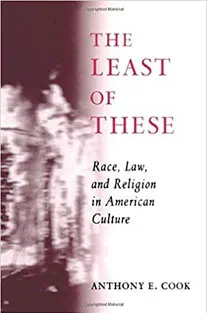
Anthony E Cook
Rs. 7,500
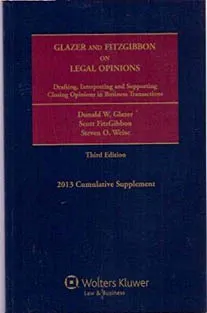
Donald W Glazer, Scott FitzGibbon, Steven O Weise
Rs. 18,900
David Field & Alasdair Gordon
Rs. 7,400
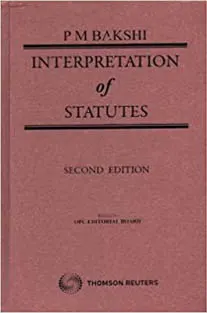
P M Bakshi
Rs. 7,200
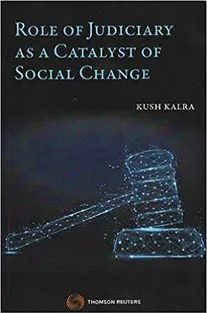
Kush Kalra
Rs. 2,400
Rs. 5,250× 6