
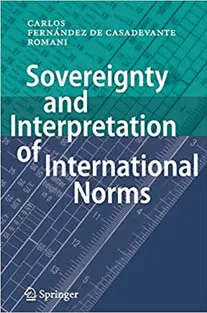
Carlos, Fernandez De Casdevante, Romani
Sovereignty and Interpretation of International Norms
Rs. 37,500
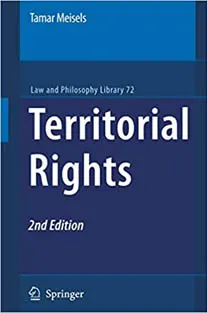
Tamar Meisels
Springer
Liberal defences of nationalism have become prevalent since the mid-1980’s. Curiously, they have largely neglected the fact that nationalism is primarily about land. Should liberals throw up their hands in despair when confronting conflicting claims stemming from incommensurable national narratives and holy texts? Should they dismiss conflicting demands that stem solely from particular cultures, religions and mythologies in favour of a supposedly neutral set of guidelines? Does history matter? Should ancient injustices interest us today? Should we care who reached the territory first and who were its prior inhabitants? Should principles of utility play a part in resolving territorial disputes? Was John Locke right to argue that the utilisation of land counts in favour of its acquisition? And should Western style settlement projects work in favour or against a nation’s territorial demands? When and how should principles of equality and equal distribution come into play?
Territorial Rights examines the generic types of territorial claims customarily put forward by national groups as justification for their territorial demands, within the framework of what has come to be known as ‘liberal nationalism’. The final outcome is a multifarious theory on the ethics of territorial boundaries that supplies a workable set of guidelines for evaluating territorial disputes from a liberal-national perspective, and offers a common ground for discussion (including disagreement) and for the mediation of claims.
The book
Liberal defences of nationalism have become prevalent since the mid-1980’s. Curiously, they have largely neglected the fact that nationalism is primarily about land. Should liberals throw up their hands in despair when confronting conflicting claims stemming from incommensurable national narratives and holy texts? Should they dismiss conflicting demands that stem solely from particular cultures, religions and mythologies in favour of a supposedly neutral set of guidelines? Does history matter? Should ancient injustices interest us today? Should we care who reached the territory first and who were its prior inhabitants? Should principles of utility play a part in resolving territorial disputes? Was John Locke right to argue that the utilisation of land counts in favour of its acquisition? And should Western style settlement projects work in favour or against a nation’s territorial demands? When and how should principles of equality and equal distribution come into play?
Territorial Rights examines the generic types of territorial claims customarily put forward by national groups as justification for their territorial demands, within the framework of what has come to be known as ‘liberal nationalism’. The final outcome is a multifarious theory on the ethics of territorial boundaries that supplies a workable set of guidelines for evaluating territorial disputes from a liberal-national perspective, and offers a common ground for discussion (including disagreement) and for the mediation of claims.
Details
Same publisher
Carlos, Fernandez De Casdevante, Romani
Rs. 37,500
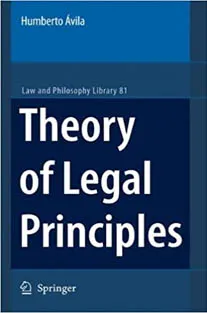
Humberto Avila
Rs. 26,995
Same shelf
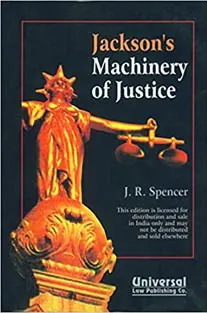
JR Spencer
Rs. 1,750
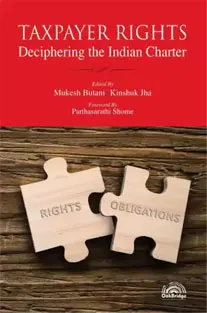
Mukesh Butani, Kinshuk Jha
Rs. 1,280
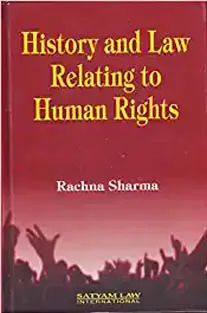
Rachana Sharma
Rs. 1,432
Donald Shell
Rs. 11,250
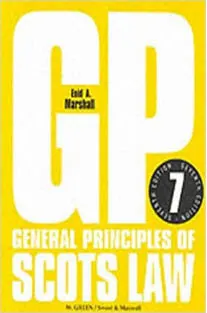
Enid A Marshall
Rs. 4,400
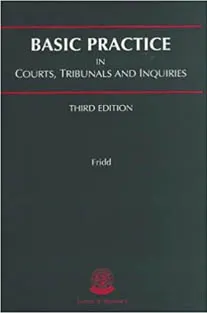
Nicholas Fridd
Rs. 9,995
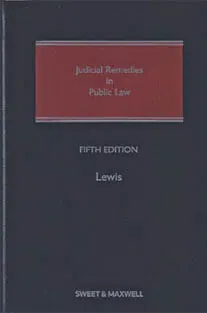
Sir Clive Lewis
Rs. 16,960
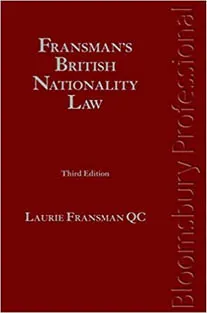
Laurie Fransman QC
Rs. 67,500
James F Simon
Rs. 1,800
Subhash Chandra Singh
Rs. 1,200
B.N. Mani Tripathi
Rs. 1,000
Lionel Bently
Rs. 11,250
Rs. 22,990