

AG Noorani
Challenges to Civil Rights Guarantees in India
Rs. 1,192
Charles R Beitz
Oxford University Press
The international doctrine of human rights is one of the most ambitious parts of the settlement of World War II. Since then, the language of human rights has become the common language of social criticism in global political life. This book is a theoretical examination of the central idea of
that language, the idea of a human right. In contrast to more conventional philosophical studies, Charles Beitz takes a practical approach, looking at the history and political practice of human rights for guidance in understanding the central idea. Betiz presents a model of human rights as matters
of international concern whose violation by governments can justify international protective and restorative action ranging from intervention to assistance. He proposes a schema for justifying human rights and applies it to several controversial cases–rights against poverty, rights to democracy,
and the human rights of women.
Throughout, The Idea of Human Rights attends to some main reasons why people are skeptical about human rights, including the fear that human rights will be used by strong powers to advance their national interests. The book concludes by observing that contemporary human rights practice is vulnerable
to several pathologies and argues the need for international collaboration to avoid them.
The book
The international doctrine of human rights is one of the most ambitious parts of the settlement of World War II. Since then, the language of human rights has become the common language of social criticism in global political life. This book is a theoretical examination of the central idea of
that language, the idea of a human right. In contrast to more conventional philosophical studies, Charles Beitz takes a practical approach, looking at the history and political practice of human rights for guidance in understanding the central idea. Betiz presents a model of human rights as matters
of international concern whose violation by governments can justify international protective and restorative action ranging from intervention to assistance. He proposes a schema for justifying human rights and applies it to several controversial cases–rights against poverty, rights to democracy,
and the human rights of women.
Throughout, The Idea of Human Rights attends to some main reasons why people are skeptical about human rights, including the fear that human rights will be used by strong powers to advance their national interests. The book concludes by observing that contemporary human rights practice is vulnerable
to several pathologies and argues the need for international collaboration to avoid them.
Details
Same publisher
AG Noorani
Rs. 1,192
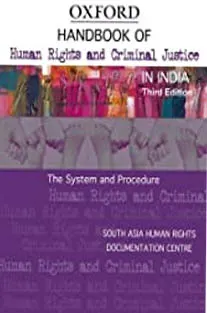
SAHRDC
Rs. 560
Ali S Awadh Asseri
Rs. 720
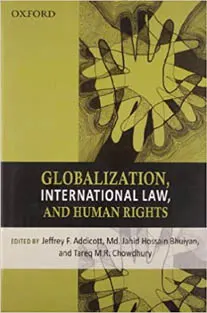
Jeffrey F Addicott, Md. Jahid Hossain Bhuiyan, and Tareq MR Chowdhury
Rs. 1,160
Ashwani Peetush, Jay Drydyk
Rs. 1,432
Matthew H Kramer, NE Simmonds, Hillel Steiner
Rs. 872
Jeffrey F Addicott, MD Jahid Hossain Bhuiyan
Rs. 1,160
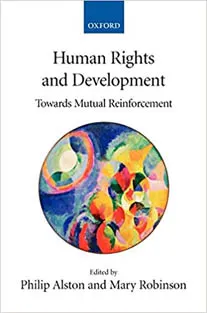
Philip Alston & Mary Robinson
Rs. 1,600
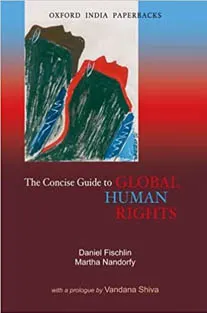
Daniel Fischlin, Martha Nandorfy
Rs. 632
SAHRDC
Rs. 760
David Feldman
Rs. 15,000
Richard Stone
Rs. 8,400
Same shelf
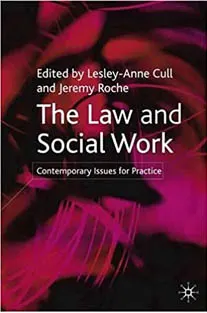
Lesley-Anne Cull & Jeremy Roche
Rs. 3,040
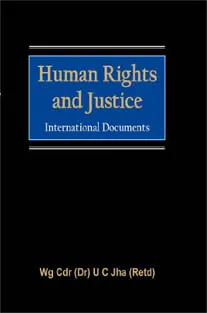
WG Cdr (Dr), UC Jha (Retd)
Rs. 2,130
Lesley King
Rs. 9,600
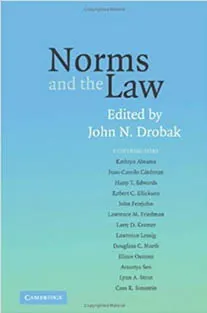
John N Drobak
Rs. 15,900
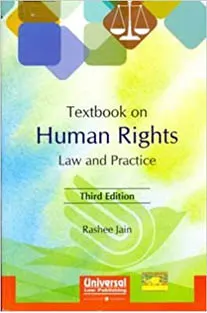
Rashee Jain
Rs. 440
Judith Resnik & Dennis Curtis
Rs. 30,000
Peter Hay
Rs. 1,680
CASIRH
Rs. 920
Rajitbhakta Pradhananga, Kishor Silwal, Dr. Diwakar Bhatta
Rs. 795
Peter Seddon
Rs. 6,850
John Pritchard
Rs. 9,500
Brian Opeskin & David Weisbrot
Rs. 16,500
Rs. 3,900× 3