
Monica Mookherjee
Women's Rights as Multicultural Claims: Reconfiguring Gender and Diversity in Political Philosophy
Rs. 952
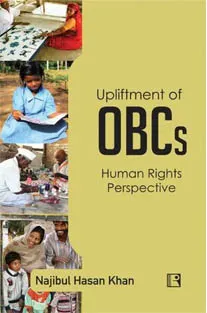
Najibul Hasan Khan
Rawat Publications
In India, the evils of the caste system have persisted for several thousand years. It has bestowed hierarchically-graded privileges on some sections of society while inflicting a series of disabilities on others. In this hierarchical social order, created by the so-called ‘higher’ castes, the downtrodden were even stripped of the equitable opportunities for social, political, economic, and educational development. It is against this backdrop that India’s political leaders were compelled to adopt the policy of social justice with an emphasis on compensatory discrimination as an equalizer to those who were weak – socially and economically – and hence the reservation policy came into being. This present study examines the extent to which beneficiaries of the reservation policy have really benefited. The book assesses the impact of various measures adopted for the welfare of scheduled castes, scheduled tribes, and the other backward classes (OBCs). It also examines the political, social, economic, and educational impacts of reservations, and it looks at how these people have progressed by virtue of constitutional safeguards in due course of time. The transformation of the traditional caste system and practice of ‘untouchability’ are discussed. (less)
The book
In India, the evils of the caste system have persisted for several thousand years. It has bestowed hierarchically-graded privileges on some sections of society while inflicting a series of disabilities on others. In this hierarchical social order, created by the so-called ‘higher’ castes, the downtrodden were even stripped of the equitable opportunities for social, political, economic, and educational development. It is against this backdrop that India’s political leaders were compelled to adopt the policy of social justice with an emphasis on compensatory discrimination as an equalizer to those who were weak – socially and economically – and hence the reservation policy came into being. This present study examines the extent to which beneficiaries of the reservation policy have really benefited. The book assesses the impact of various measures adopted for the welfare of scheduled castes, scheduled tribes, and the other backward classes (OBCs). It also examines the political, social, economic, and educational impacts of reservations, and it looks at how these people have progressed by virtue of constitutional safeguards in due course of time. The transformation of the traditional caste system and practice of ‘untouchability’ are discussed. (less)
Details
Same publisher
Monica Mookherjee
Rs. 952
Same shelf
Ashwani Peetush, Jay Drydyk
Rs. 1,432
Souvik Chatterji
Rs. 2,400
Hugh Selby
Rs. 640
Sir Clive Lewis
Rs. 16,960
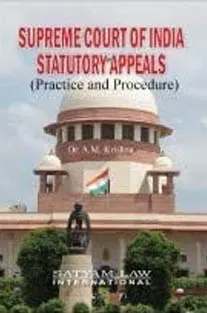
Dr A M Krishna
Rs. 1,920
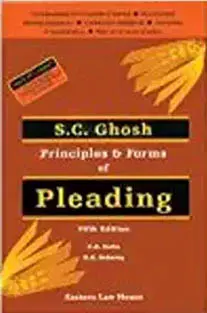
S C Ghosh
Rs. 3,200
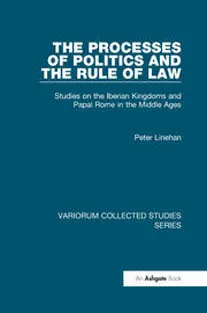
Peter Linchan
Rs. 21,250
Eugene C Gerhart
Rs. 3,200
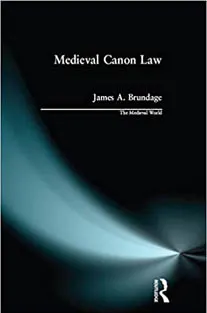
James A Brundage
Rs. 3,200
Christopher Baker
Rs. 29,990
Carsten Stahn
Rs. 16,500
Elizabeth Frost-Knappman
Rs. 2,400
Rs. 1,040× 2